In honor of Black History Month, we want to take the time to recognize some of the inventors, printers, and designers that helped move our industry forward. From peanuts and presses to newspapers and 7-UP, these forward-thinkers and their ideas helped shape our industry as we know it:
George Washington Carver
1864-1943
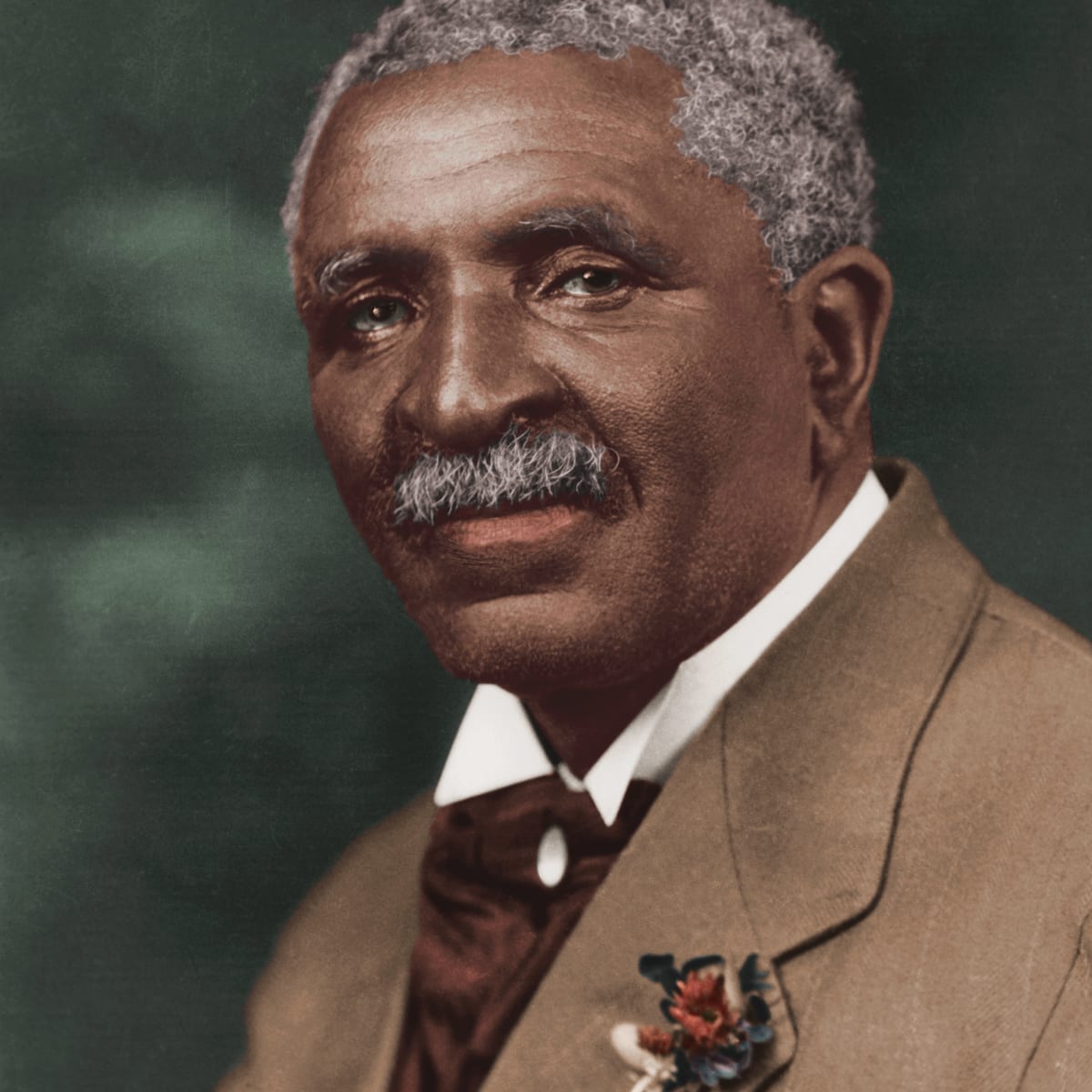
The most prominent black scientist of the early 20th century, George Washington Carver focused most of his efforts on improving crop yields, field health, and alternatives to cotton. One of the crops he worked with most was the peanut which he invented hundreds of uses for throughout his career, both in the agricultural field as well as other practical uses. One of the uses Carver found for peanuts was to refine it into an ink that printers could use in their presses. While this specific method did not see widespread adoption, it is considered a stepping stone to the legume-based oil solvents used in modern printing ink.
Sources
- https://en.wikipedia.org/wiki/George_Washington_Carver
- acculink.com/african-american-pioneers-in-the-printing-industry/
- imagecube.com/honoring-black-inventors-in-printing/
William A. Lavalette
1839-1914
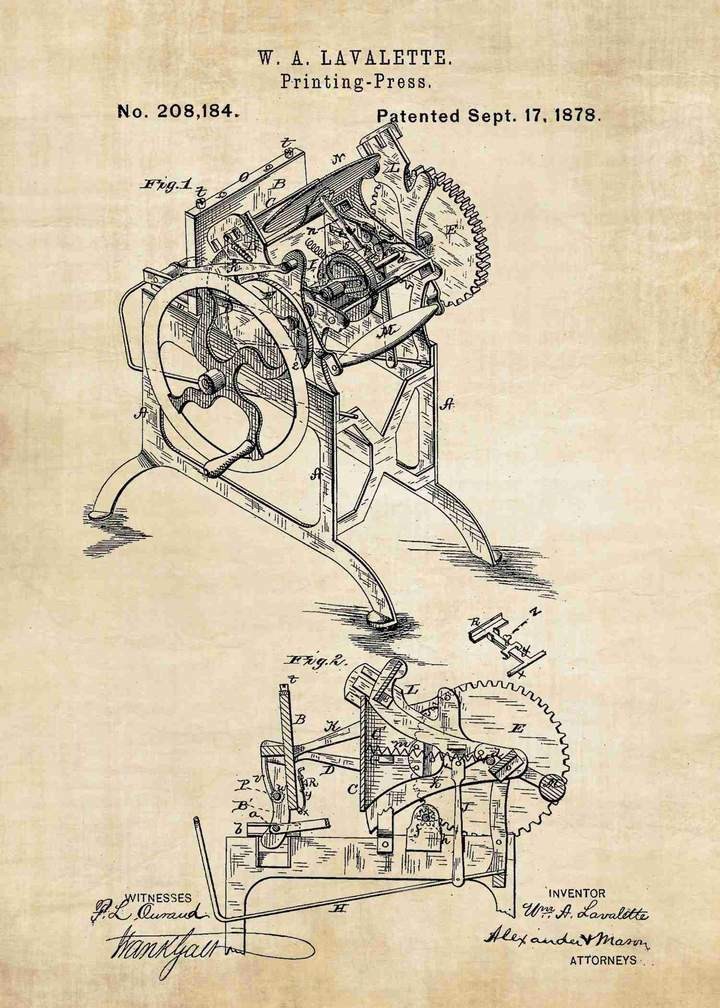
Not much is known about Mr. Lavalette, in fact I could not even verify his photo with enough confidence to post. But what we do know is certainly important to the printing industry. On Sept. 17, 1878, W. A. Lavalette was awarded patent no. 208184 for improvements in printing presses. He made construction and arrangement improvements that helped the press run more smoothly and evenly. He also made some parts more easily removable so they can be cleaned and improved the mechanism used to load and unload paper.
Sources
Thomas Miller
1920-2012
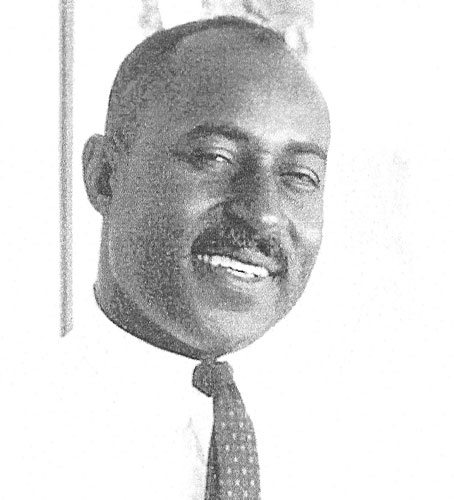
Thomas Miller was one of the first black designers to break into the mainstream graphic design industry. After graduating from Virginia State College and serving in WWII, he was accepted into the Chicago Ray Vogue School of Art (the now-closed Illinois Institute of Art) where he was one of two African American students.
After graduation he landed a job at the Morton Goldsholl Associates design studio in Chicago. Here Miller would become the head designer for a 1970 rebranding for 7UP. He also supported teams that worked on branding for Motorola, Peace Corps, and Betty Crocker.
Independently, he was commissioned to create a memorial for the founders of the DuSable Museum. This Thomas Miller Mosaics would become one of his most well-known pieces.
Sources
- https://laughtoncreatves.com/13-african-american-graphic-designers-know-part-1/
- The DuSable Museum of African American History
David Ruggles
1810-1849
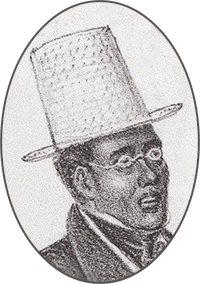
David Ruggles was an African American abolitionist, writer, and activist who helped assist hundreds of slaves escape through the Underground Railroad. At sixteen, he moved to New York City and opened a grocery store. After some time, this grocery store was closed and Ruggles turned it into the first African American-owned bookstore in the United States. The bookstore specialized in abolitionist and feminist literature, and Ruggles himself would edit, publish, and print his own abolitionist pamphlets and journals on his own presses. Due to his well-known activism and opposition to slavery, Ruggles made many enemies. This resulted in being assaulted and his shop purposefully burned down, but he would rebuild and continue his work.
Sources
- https://davidrugglescenter.org/david-ruggles/
- https://web.archive.org/web/20070307075218/http://www.freedomforum.org/publications/msj/courage.summer2000/y02.html
Murray Brothers Printing
Founder F.H.M. Murray, 1859-1950
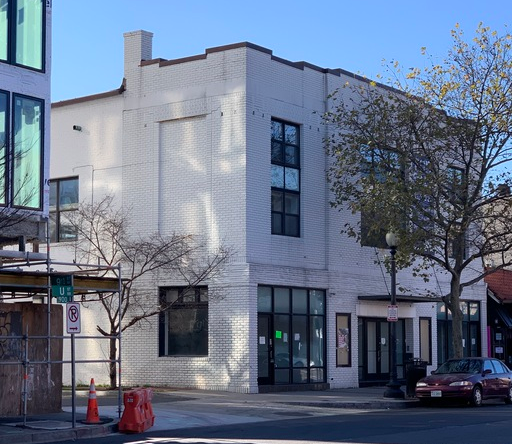
Original building in DC that Murray had built for the company.
In 1908 Freeman Henry Morris Murray, along with his three sons Raymond, Morris, and Norman, opened Murray Brothers Printing Company in the heart of the African American community in the nation’s capitol. The bulk of their business was printed materials for the government, in high demand due to their location. In 1921, they began printing and publishing the Washington Tribune, which quickly became the largest major black newspaper in the city.
Sources
- https://en.wikipedia.org/wiki/Freeman_H._M._Murray#cite_note-Jones2011-1
- https://www.culturaltourismdc.org/portal/murray-brothers-printing-company-building-african-american-heritage-trail
- https://historicsites.dcpreservation.org/items/show/1057
Freedom’s Journal
Founded March 16, 1827
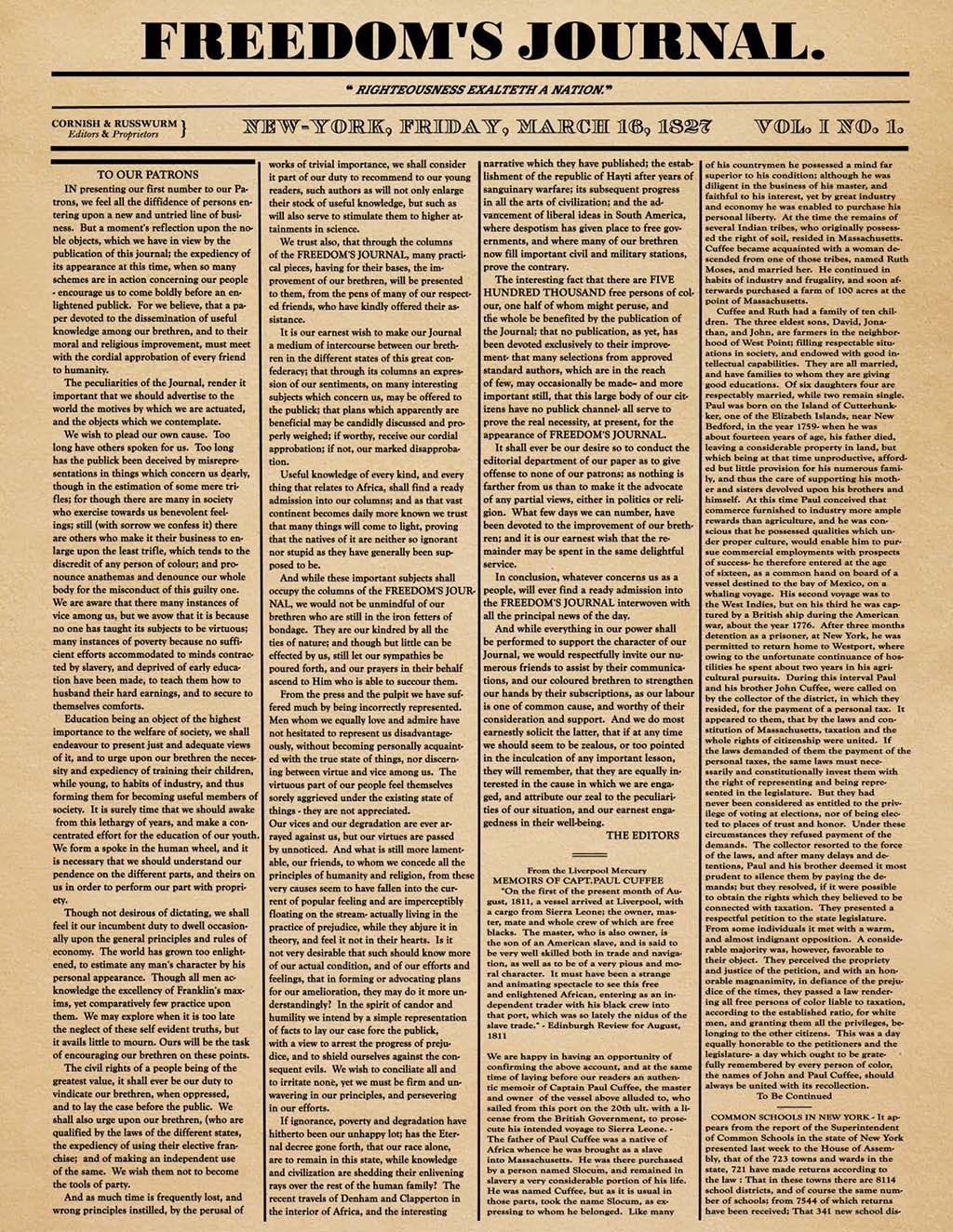
Founded in 1827, Freedom’s Journal was the first African American-owned and operated newspaper in the United States. I found conflicting information on the names of the founders, but I think it is important to name them regardless. John Russwurm, Samuel Cornish, Peter Williams Jr., and William Hamilton were all names I found listed as founders, owners, or editors with various overlapping dates.
The Journal was a 4-column publication that came out on a weekly basis. It followed local, national, and foreign news alike, as well as anti-slavery editorials, op-eds, and African-American specific news and information. It’s publishers sought to act as a forum for African American needs and causes that were very important and needed in a where there were few similar outlets.
Sources